Find Bolted Trailer Kingpin for Semi Trailers, Trucks, and Towing
Explore 30 bolted trailer kingpin options designed for heavy-duty applications. Compare specifications such as diameter, material, and load capacity to identify the right fit for your trailer or truck assembly needs; compare the available evidence and request quotations based on your requirements.
Key considerations
Products List




Comprehensive Sourcing Guide
Bolted Trailer Kingpin Sourcing Guide
Buyers evaluating bolted trailer kingpins must first distinguish between heavy-duty towing applications and standard semi-trailer configurations. The observed market data indicates a clear segmentation where specific models like the km-kpw-50a and km-kp-50 are designed for robust truck and trailer usage, while other listings reference general semi-trailer compatibility. Understanding this distinction is critical because the structural requirements for a heavy-duty towing pin differ significantly from those intended for lighter semi-trailer connections, directly impacting the selection of the correct component for your fleet.
Procurement decisions should also account for the variability in customization options and material specifications found in current listings. While steel remains the dominant material for these components, the availability of customization allows buyers to tailor features such as saddle hole configurations or leg installation holes to specific chassis requirements. This flexibility is particularly valuable for operators managing mixed fleets with brands like Sinotruk HOWO or Shacman, where standard mounting patterns may not align with existing trailer designs without specific modifications.
Product Scope and Observed Listing Signals
The current market for bolted trailer kingpins presents a wide range of product attributes that buyers must navigate carefully. Listings frequently highlight specific model numbers such as km-kp-90 and JOST KZ 1012, alongside general descriptions like "Towing Pin" or "Kinpin." These identifiers often correlate with distinct performance tiers, where some units are explicitly marked as heavy-duty while others are described with standard specifications. Buyers should verify that the listed product type matches their specific operational needs, as the term "kingpin" alone does not guarantee the necessary load-bearing capacity for all trailer types.
Observations of packaging and condition provide additional signals regarding the maturity of the supply chain. Most suppliers offer new condition units packed in pallets, wooden plastic, or custom cartons, which suggests a standardized logistics approach for international shipping. However, the presence of varied color options, ranging from silver and gray to black and red, indicates that cosmetic customization is often available alongside functional specifications. Buyers should prioritize functional attributes over aesthetic choices to ensure the component meets the rigorous demands of daily hauling operations.
Technical Specifications to Verify
Dimensional accuracy is the primary technical constraint when sourcing these critical towing components. The observed data reveals a mix of diameter specifications, including 1/2 inch and 50mm variants, alongside standard sizes like 2 inches and 3.5 inches. It is essential to match the kingpin diameter precisely to the fifth wheel coupling on the tractor unit, as mismatches can lead to catastrophic failure during transit. Buyers must cross-reference the specific model number, such as km-kp-50, with the physical dimensions of their existing equipment to avoid compatibility issues.
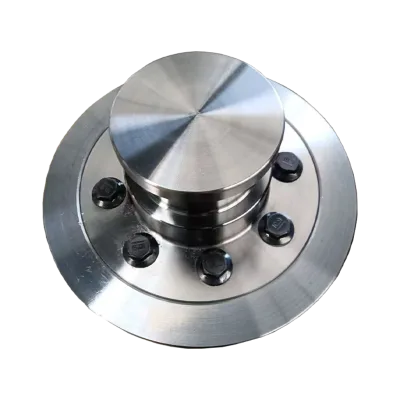
Material thickness and structural integrity are equally vital considerations for long-term durability. Some listings specify skid plate thicknesses of 8, 10, or 12 millimeters, which directly influences the component's resistance to wear and impact. Additionally, the connection type is predominantly bolted, requiring verification of the bolted interface against the trailer frame's design. Buyers should confirm that the saddle hole configuration, whether the standard 6 holes or the 8-hole variant for Sinotruk HOWO, aligns perfectly with the mounting points on their specific trailer chassis.
Compliance and Safety Documentation
Certification status serves as a foundational indicator of a supplier's commitment to quality management systems. The available data confirms that many products carry ISO and ISO/TS 16949 certifications, which are industry benchmarks for automotive and trailer component manufacturing. These certifications suggest that the production processes adhere to strict quality control protocols, reducing the risk of defects in critical safety components. Buyers should request valid certification documents to ensure that the specific batch of kingpins being purchased meets these established standards.
Safety documentation must also address the specific design standards and testing protocols applied to the product. While some listings reference ISO 9001:2008 and TS16949, others mention general design standards without specific numerical codes. It is imperative for buyers to verify that the product has undergone rigorous testing for load capacity, particularly given the observed capacity ratings of up to 25 tons. Without explicit test results or compliance with recognized safety standards, the risk of component failure under heavy loads remains unquantified and potentially dangerous.
Cost Drivers and Commercial Terms
Pricing in the bolted trailer kingpin market is influenced by a combination of material costs, customization levels, and order volume. The observed price range spans from 5 to 89 USD, reflecting the diversity in product specifications and the scale of the transaction. Lower-priced items often correspond to standard configurations with minimal customization, while higher prices may indicate specialized heavy-duty models or those with specific color and finish requirements. Buyers should analyze the cost per unit relative to the expected lifespan and maintenance requirements of the component.
Minimum Order Quantities (MOQ) and lead times are significant factors that affect the total cost of ownership. Listings show MOQs ranging from 1 to 200 units, offering flexibility for small fleet operators while accommodating bulk procurement for larger logistics companies. The variation in packaging, from simple pallets to plywood boxes, also impacts shipping costs and handling efficiency. Buyers should negotiate terms that balance the MOQ requirements with their inventory management strategies to optimize cash flow and storage space.
Supplier Qualification and Quality Control
Supplier location and origin play a crucial role in the reliability of the supply chain for heavy-duty trailer components. The majority of observed listings originate from Qingdao, China, a known hub for automotive parts manufacturing. This concentration suggests a mature supply ecosystem with established logistics networks, but it also necessitates rigorous vetting of individual suppliers. Buyers should verify the supplier's production capacity and history to ensure they can consistently deliver high-quality kingpins that meet the specified technical requirements.
Quality control processes must be validated through direct engagement with the supplier's manufacturing protocols. The presence of after-sales service warranties, such as the 1-year coverage noted in some listings, indicates a level of confidence in product durability. However, buyers should not rely solely on warranty terms but should instead request detailed quality assurance reports and inspection procedures. Ensuring that the supplier has a robust system for checking dimensions, material hardness, and weld integrity is essential for maintaining fleet safety and operational continuity.
Long-Term Procurement Checks
Sustainable procurement requires ongoing monitoring of component performance and supplier reliability over time. Buyers should establish a feedback loop to track the longevity of the installed kingpins, noting any signs of wear, corrosion, or structural fatigue. The observed availability of spare parts, such as connection and welding kingpins, suggests that a robust aftermarket exists, but buyers must ensure that replacement parts remain compatible with the original specifications. Regular maintenance checks are vital to prevent unexpected failures that could disrupt supply chain operations.
Future-proofing the procurement strategy involves staying informed about evolving industry standards and technological advancements. As the trailer industry continues to adopt new safety regulations and design standards, buyers must ensure that their current inventory and future orders align with these changes. The ability of suppliers to adapt to new requirements, such as updated certification standards or material specifications, will be a key differentiator in the long term. Maintaining a relationship with suppliers who demonstrate flexibility and a commitment to continuous improvement will secure a competitive advantage in the market.
FAQs
What is the material of the bolted trailer kingpin?
The bolted trailer kingpin is constructed from steel to ensure durability and strength for heavy-duty towing applications. This material choice supports the required load capacity while maintaining structural integrity during transport operations on semi trailers and trucks.
Which certifications do these kingpins hold?
These products hold ISO and ISO/Ts16949 certifications to verify quality management standards. The specific standard listed is ISO 9001: 2008 & TS16949, ensuring the manufacturing process meets rigorous industry requirements for automotive and trailer components.
Can I request customization for the kingpin?
Yes, customization is available for the bolted trailer kingpin to meet specific buyer requirements. Buyers can request custom packing options or specific dimensions, allowing the product to be tailored for different truck brands and trailer configurations.
What is the standard size for this kingpin?
The standard size for this kingpin is 50mm, with available specifications including 2 inch or 3.5 inch variants. The product model km-kpw-50a and others support these dimensions to fit various semi trailer and truck axle systems effectively.
How is the product packed for shipment?
The product is packed in pallets, cartons, or wooden plastic boxes depending on the specific order requirements. Some items are packed in plywood boxes or as requested by the customer, ensuring safe transport from the Qingdao, China origin point.
What is the after-sales service period?
The after-sales service period for this product is one year from the date of purchase. This warranty covers the new condition items to provide buyers with confidence in the quality and reliability of the steel towing pin components.
Which truck brands are compatible with this kingpin?
This kingpin is compatible with major truck brands including Sinotruk HOWO, Shacman, Foton, and FAW. The saddle hole configuration supports 6 holes for standard models and 8 holes specifically for Sinotruk HOWO applications.